Outer, Inner and Deep Mani: what the divisions actually mean
TLDR
- •Outer Mani is the green west coast around Kardamyli and Stoupa
- •Inner or Deep Mani is the bare limestone south of Areopoli
- •The waist, around Oitylo and Areopoli, is the transition
- •The east coast is the sheltered side and the quiet one
- •Base in Outer Mani first; Deep Mani rewards a second visit
The Mani gets divided three ways and the terms are used loosely, including by people who live there. Here is the practical version.
Outer Mani, sometimes Messenian Mani
The northwest, from around Kitries down through Kardamyli, Kalamitsi, Stoupa and Agios Nikolaos.
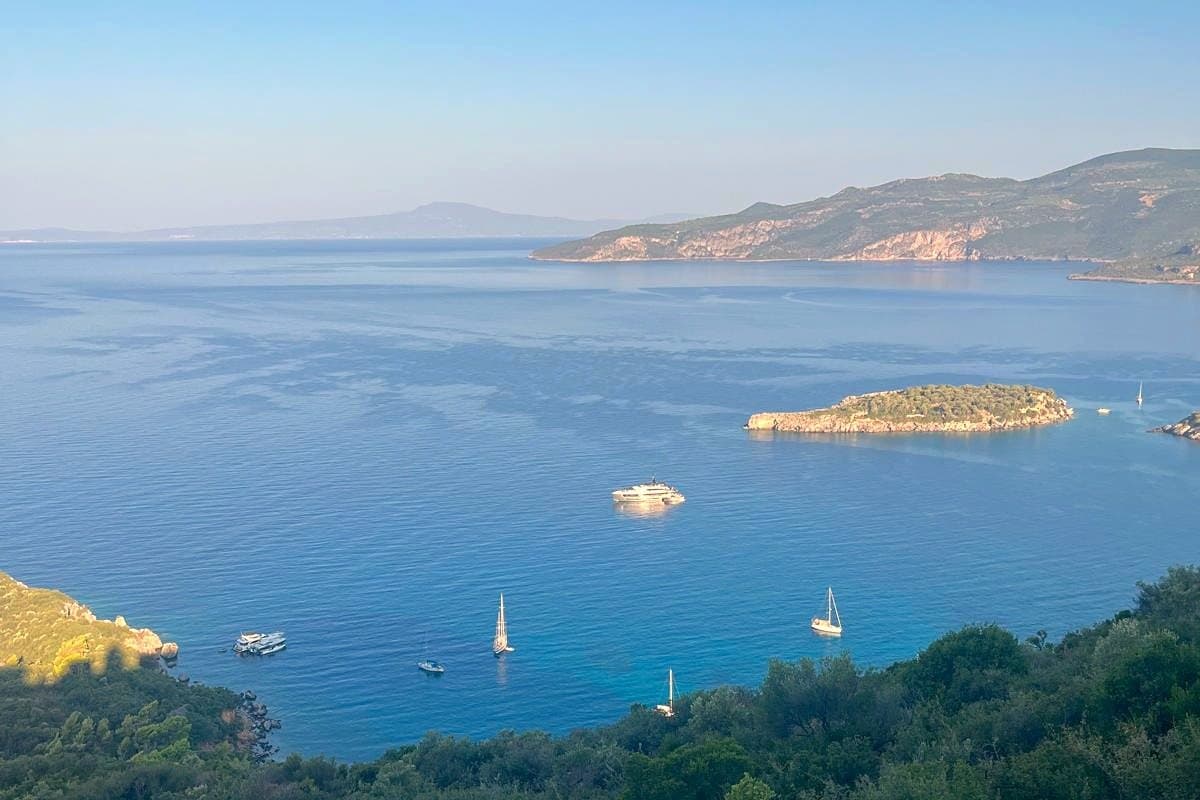
Mount Taygetos comes almost to the sea here, and the difference that makes is water. There are gorges with streams in them, olive groves, cypress and actual shade. This is the green Mani, it is where most visitors stay, and it is the right first base.
The waist
Oitylo, Limeni, Areopoli and Pyrgos Dirou on the west side; Gytheio on the east.
The peninsula narrows to a few kilometres, the road crosses it, and the character changes. Tower houses stop being an occasional feature and start being what villages are made of. Areopoli is where you do the practical jobs: fuel, cash, pharmacy, supermarket. South of it, all four get sparse.
Inner Mani, Deep Mani, Mesa Mani
The same thing under three names: everything below roughly Areopoli. Gerolimenas, Alika, Vatheia, Porto Kagio, Kotronas, and Cape Tainaron at the end.
Bare limestone. Almost nothing grows. Almost no shade. It is the most extraordinary landscape in southern Greece and the least comfortable place to spend a week in August.
The east coast, which nobody mentions
The Laconian side, running from Gytheio down through Kotronas and Kokkala, is the Mani's quiet half and it is in this guide for three unglamorous reasons.
It is the sheltered coast. The west takes the weather. When the forecast turns, crossing takes 30 minutes and saves the day.
The towers there are lived in rather than looked at. Kokkala and Kotronas are working villages.
It is on the way to Monemvasia, which is the one big day out from the Mani worth the drive.
Which one you want
| You want | Base in |
|---|---|
| A first visit, green, sea, walking | Outer Mani, Kardamyli |
| Sand and an easier time with children | Stoupa, still Outer Mani |
| Practical access to everything south | The waist, Areopoli or Limeni |
| The landscape, at dawn and dusk | Deep Mani, Gerolimenas or Alika |
| Quiet, on a second visit | The east coast, Kokkala or Kotronas |
The mistake almost everyone makes is basing in Outer Mani because it is nicer, then day-tripping Deep Mani, and seeing it only in the middle of the day when it is at its worst. Sleep down there at least once.
Two bases and seven nights is the shape. There is more in Mani and the Messenian gulf, and the house we use above Kalamitsi bay sits in the Outer Mani half.
Frequently Asked Questions
What is the difference between Inner Mani and Deep Mani?
Nothing. Inner Mani, Deep Mani and Mesa Mani are three names for the same area: the bare limestone southern end of the peninsula, below roughly Areopoli.
Where should I stay on my first visit to the Mani?
Kardamyli or Kalamitsi in Outer Mani. It is green, it has a working harbour and enough places to eat that one closure does not ruin the evening, and Deep Mani is reachable for an evening from there.
Is Deep Mani worth staying in?
Yes, for at least one night. It is a dawn and dusk landscape and the day trip from Outer Mani arrives at the worst hour and leaves before the best one.